Birds cannot see glass.
They can see this.
Laminated glass with tiny reflective dots in the interlayer. The bird sees a barrier, not a clear way through. You still look straight out. For large windows and façades.
Two reasons,
both of them glass.
A bird flies fast and steers by what it sees. Glass gives it nothing to see.
- It sees through it. A large window, corner glazing, a canopy or a glazed walkway: behind the glass there is sky or a tree, and the bird flies towards it.
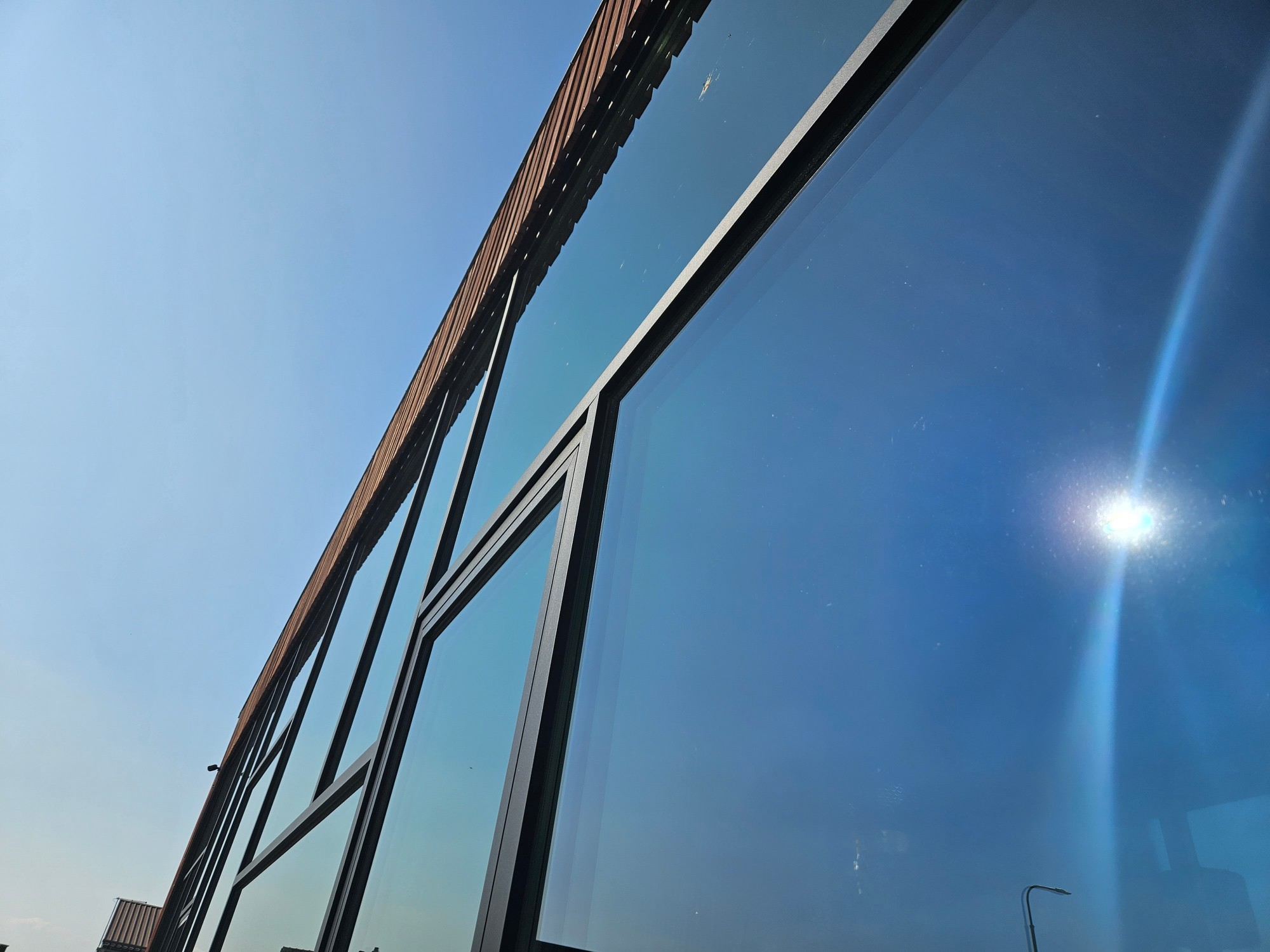
- It sees a reflection. To a bird, a façade that mirrors the sky and the treetops simply is sky and treetops.
birds a year in Germany
Estimate of birds killed by glass, from the German state bird conservation centres (LAG VSW).
site visits in Zagreb
In 2024, the Croatian conservation group Biom surveyed 19 locations. On one visit in ten, they found evidence of a bird strike on glass.
regulations in Croatia
The law protects birds but says nothing about glass. In the German state of Hesse, since 2023, transparent or reflective glass areas larger than 20 m² are generally not permitted, and on public buildings they must be made bird-safe by the end of 2030.
Dots in the interlayer,
not on the glass.
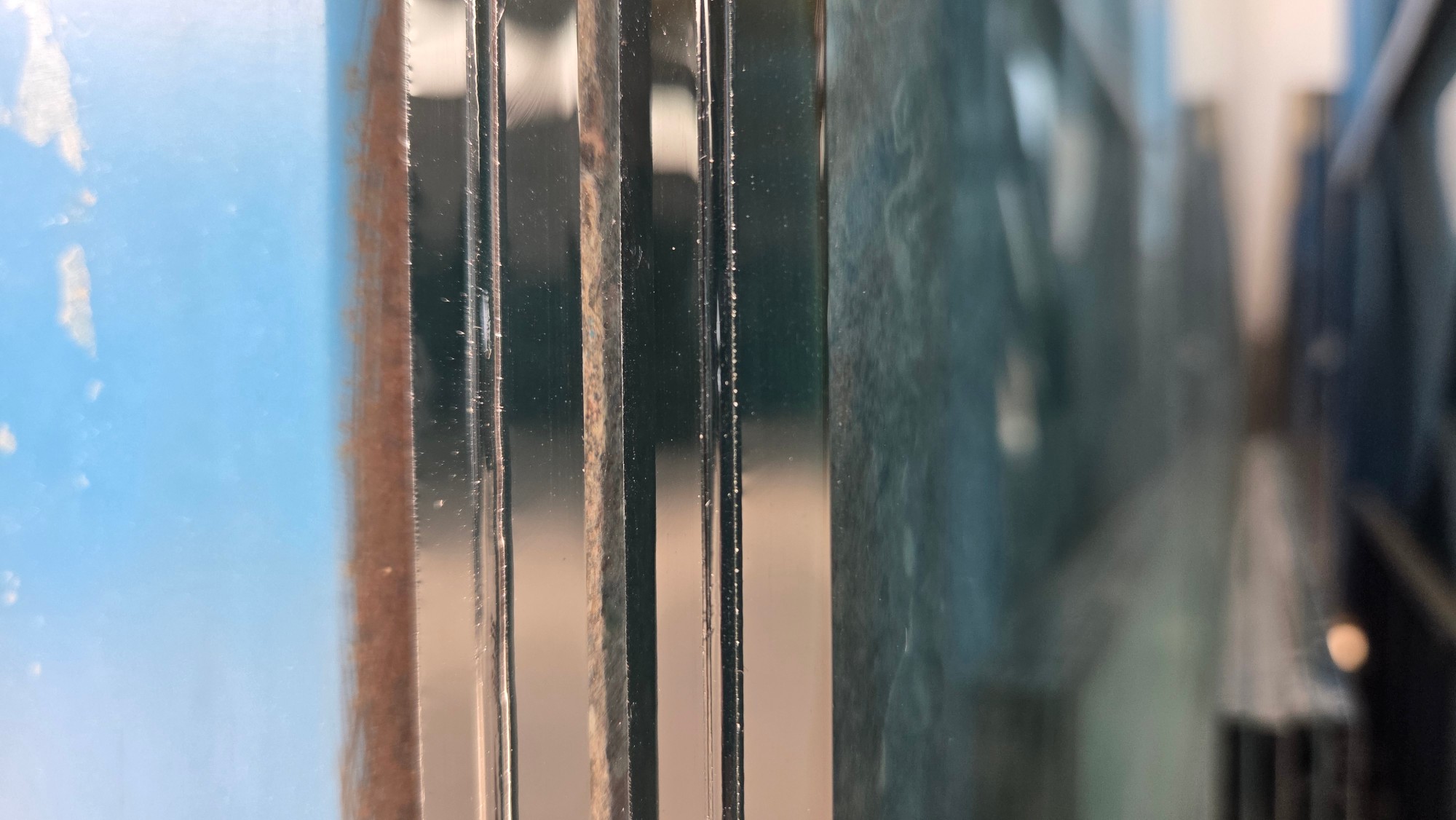
Between the two panes is an interlayer with reflective dots 9 mm in diameter, spaced 90 mm apart. The dots catch the light and shimmer, so from a distance the bird sees a barrier, not a clear way through.
Close up, the dots are visible. From a few steps back, they blend into the view. The glass is Guardian Bird1st™, with Saflex FlySafe 3D interlayer.
Wherever the sky
shows through the glass.
Most strikes happen on glass with no wall behind it and on glass that reflects greenery.
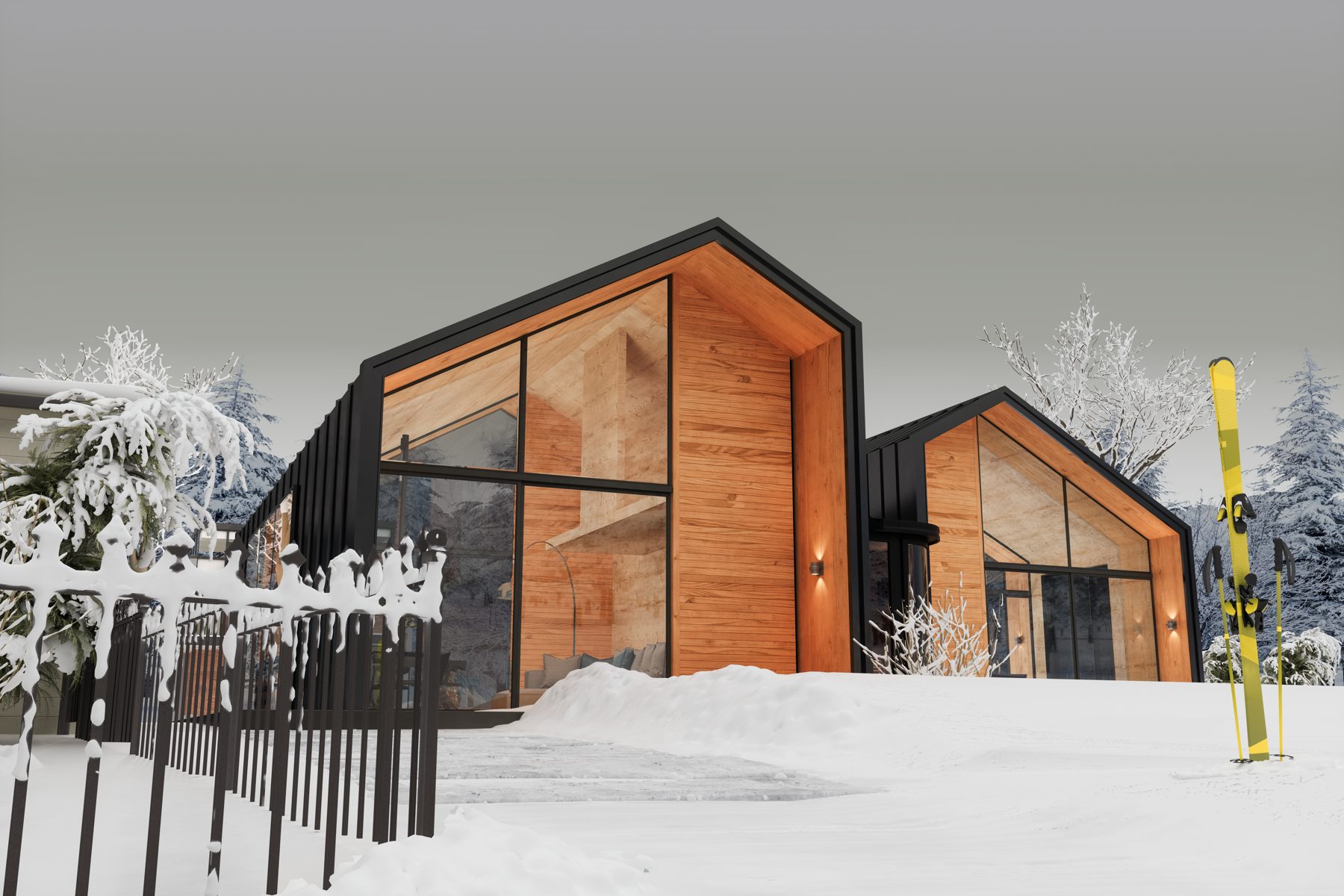
- Large windows and glazed openings
- Canopies and roof glazing
- Corner glazing and glazed walkways between buildings
- Façades with solar control coatings next to trees and parks
- Conservatories
- Windbreaks, bus shelters and roadside screens
What you get
Tested with birds
Tested in the flight tunnel at the Hohenau-Ringelsdorf Biological Station in Austria. Rating: highly effective, even with coatings of up to 19% external reflectance.
Safety glass
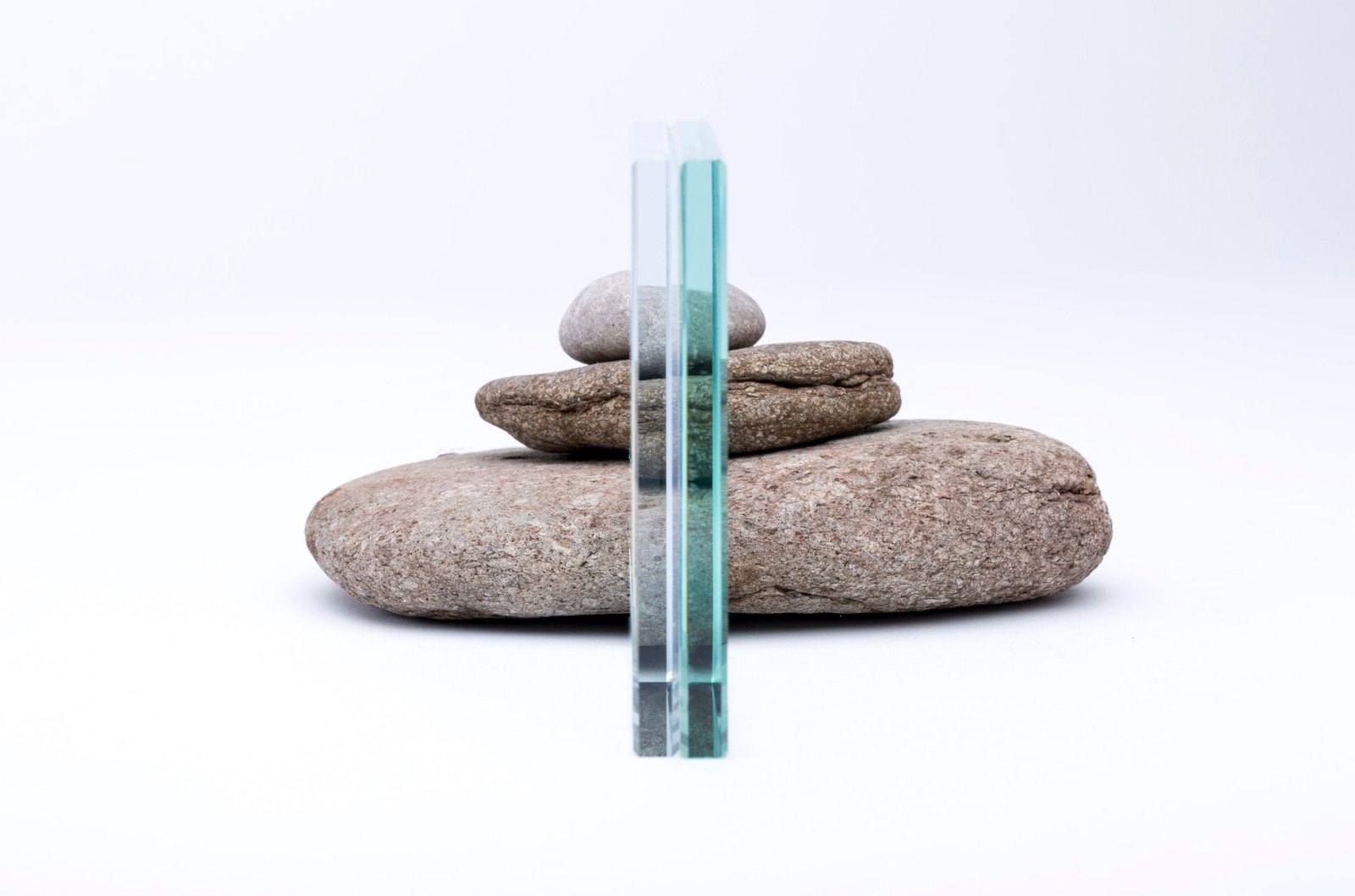
It is laminated glass. If it breaks, the fragments stay on the interlayer, as with any laminated glass. The make-up for a window or façade is specified project by project.
Works with low-E and solar control coatings
In an insulating glass unit, it pairs with low-E glass or with SunGuard™ SN and SNX solar control coatings. The same unit keeps the heat in, keeps the sun out and protects against bird strikes.
Quieter, too
A version with acoustic interlayer is available, for façades and roadside screens.
Does not wear off
The dots are inside the glass. Rain, sun and cleaning do not touch them. It is cleaned like any laminated glass.
A green building credit
It can meet the requirement for the LEED Innovation credit “Bird Collision Deterrence”.
For those who
do the sums.
We choose the laminated make-up and the coating to suit the purpose: noise reduction, less heat loss in winter or less solar heat in summer. We send the technical data sheet with the quote.
Glass
| Product | Guardian Bird1st™ |
| Type | Laminated safety glass |
| Interlayer | Saflex FlySafe 3D, PVB with reflective dots |
| Dots | 9 mm diameter, 90 mm spacing in every direction |
| Coatings | All SunGuard™ SN and SNX |
| Acoustics | Available with acoustic interlayer |
| Make-up and thicknesses | Float or UltraClear™: 3.3.4, 4.4.4, 5.5.4, 6.6.4, 8.8.4 |
| Versions | Lami (shiny dots), Lami Matte (matt dots), Lami DoubleShiny (shiny on both sides) |
| Maximum size | up to 6000 × 3210 mm |
Testing
| Where | Hohenau-Ringelsdorf Biological Station, Austria |
| How | Flight tunnel: the bird chooses between marked and ordinary glass |
| Rating | Highly effective |
| Flights towards the glass | 9% (Lami and Lami Matte), 6% (Lami DoubleShiny) |
| Condition | External reflectance of the glass up to 19% |
| ONR 191040 scale | A highly effective: up to 10% of flights · B limited: 10–20% · C low: 20–45% · D ineffective: over 45% |
Regulations
| Croatia | No regulations on glass. Birds are protected by the Croatian Nature Protection Act. |
| Germany, Hesse | Since 2023, transparent or reflective glass areas larger than 20 m² generally not permitted; public buildings must be made bird-safe by the end of 2030 (HeNatG § 37) |
| Finland, Helsinki | Guidelines become mandatory in 2027 |
| European Union | No single standard. The Birds Directive 2009/147/EC applies. |
Sources
Guardian Glass, Guardian Bird1st™ product page for Europe. ISOLAR, overview of European rules on glass and birds. Glass for Europe, guide to bird-friendly building. Udruga Biom, “Nevidljiva zamka za ptice” (An invisible trap for birds), 2025.
Send us a drawing of the window
or façade.
Tell us where the glass will be and what is around it: trees, water, an open view. We will suggest a make-up and send a quote with the technical data sheet.